
YouTube Facebook Instagram LinkedIn

Frequently Asked Questions about Vacuum Membrane Presses

What is Vacuum Membrane Press?

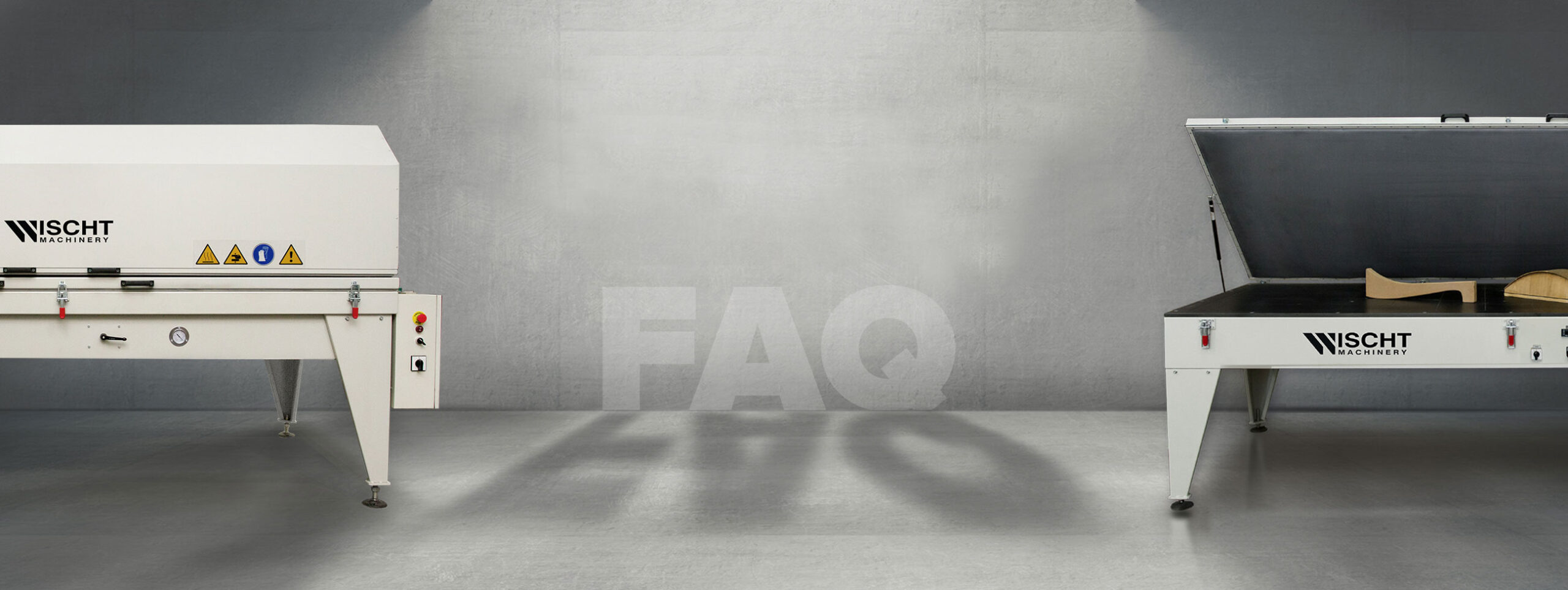
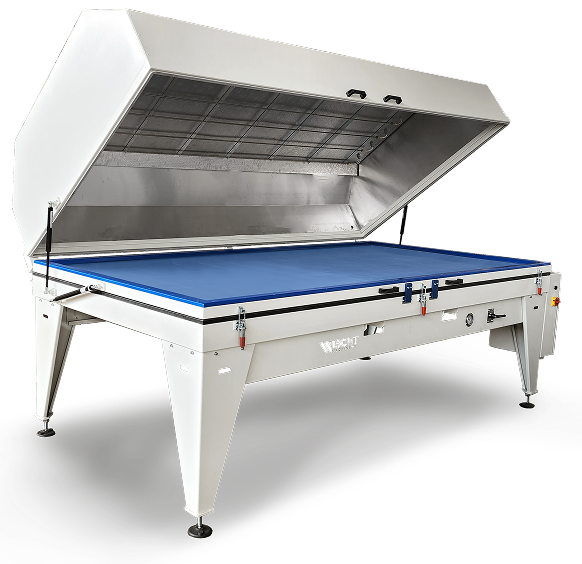
A vacuum membrane press is a specialized machine used to shape, bond, or laminate materials – especially when working with complex curves, 3D surfaces, or delicate finishes – by using heat, pressure, and a flexible membrane. In some processes, could be used also cold vacuum membrane presses without a heating system.
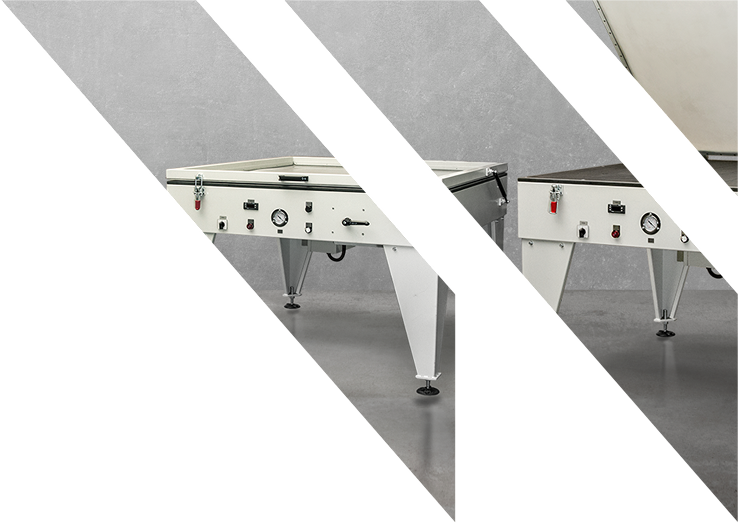
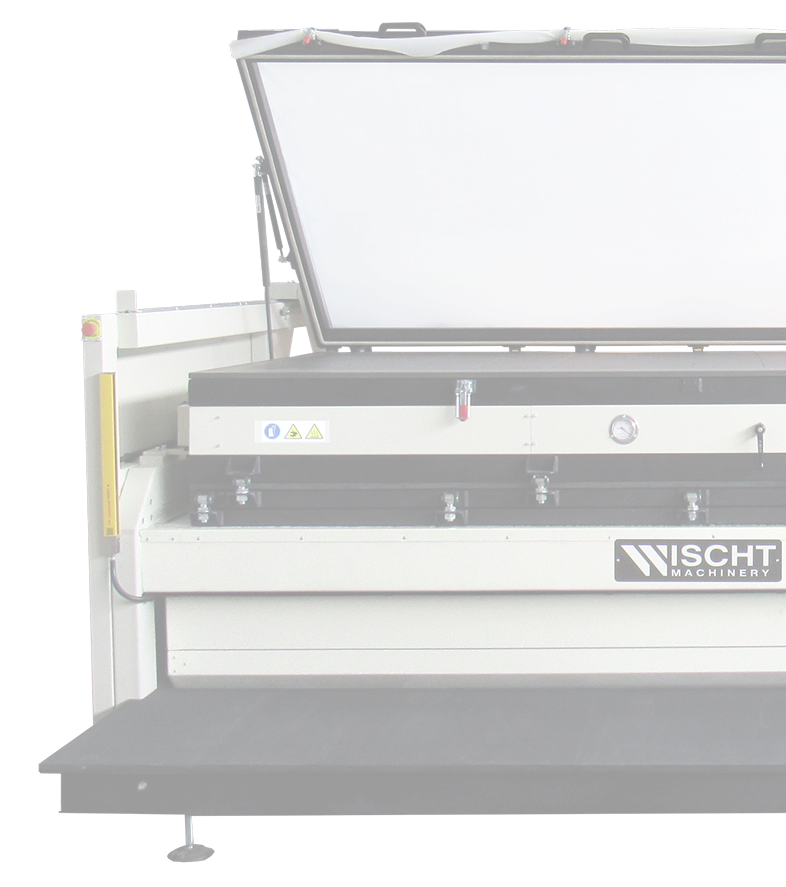
machines

The Key
Advantages
of Vacuum Presses?

  • Can handle complex 3D shapes and deep curves.
  • Produces seamless surfaces without joints.
  • Works with a wide variety of materials:
  • Wood veneers
  • PVC foils & laminates
  • Thermoplastics
  • Solid surface materials (like Corian®)
  • High-pressure laminates (HPL)
  • Decorative films
  • High precision with uniform pressure over the entire surface.
  • No need for heavy mechanical pressing tools.

How exactly does a Vacuum Press work?

1

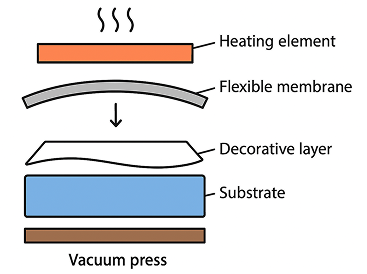
Preparation The material to be shaped or laminated (such as wood veneer, thermoformable foil, acrylic solid surface, or decorative film) is placed over a mold, panel, or object.

2

Membrane & Sealing A flexible rubber or silicone membrane covers the material, creating an airtight chamber.

3

Vacuum & Pressure Air is removed from the chamber, causing atmospheric pressure (and sometimes extra pressurized air from above) to press the membrane evenly over the surface—even into deep curves and corners.

4

Heat Activation Heat softens thermoplastic films or adhesives, allowing the material to stretch, form, and bond perfectly to the substrate.

5

Cooling & Release Once the adhesive sets and the material takes shape, the vacuum is released and the finished piece is removed. Once cooled, the material retains its new shape or the lamination is securely bonded.

Smart Technology for Perfect Surfaces. Advanced Pressing. Flawless Finish.

What are the typical applications of Vacuum Membrane Presses?

Wood industry

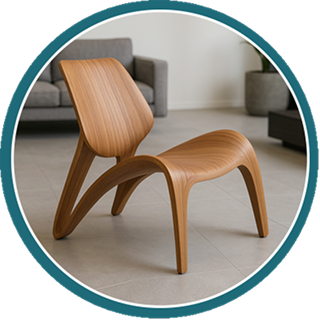
veneering curved furniture parts, wrapping cabinet doors, forming acoustic panels, decorative fronts

Automotive

covering dashboards, door panels, and interior trims with leather, vinyl, or foil. Trim with wood or leather look

Solid surface fabrication

forming sinks, countertops, and 3D designs from Corian® or similar materials

Aerospace & marine

lightweight decorative panels

Interior design

wall panels, curved reception desks, custom furniture

In short: it's like a giant heated vacuum "hug" that molds materials smoothly over almost any shape without damaging them.

Woodworking

WoodworkingIndustry

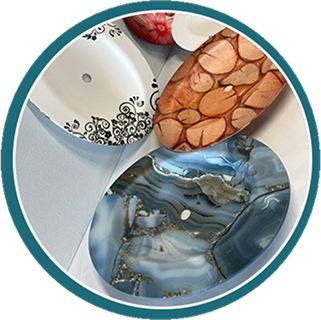
Sublimation

SublimationIndustry

Forming

FormingSolid Surface materials and plastics

Automotive

AutomotiveIndustry