
YouTube Facebook Instagram LinkedIn

SUBLIMATION

Sublimation Industry

In manufacturing and design, Sublimation printing is a technique where solid dye (in the form of powder or ink) is heated and turned directly into gas.

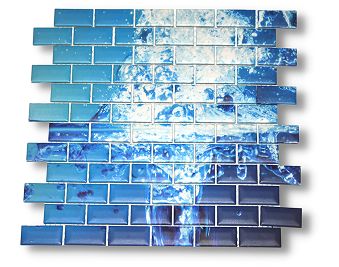
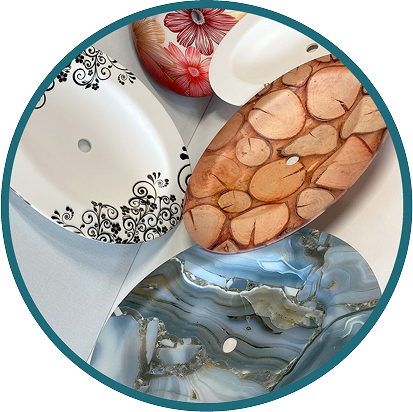
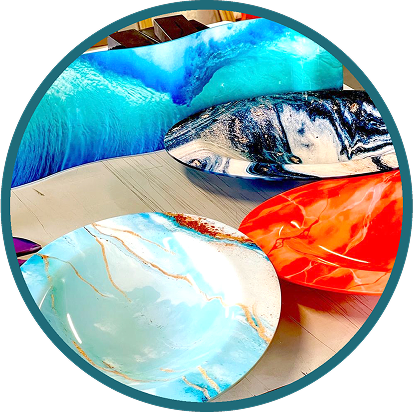
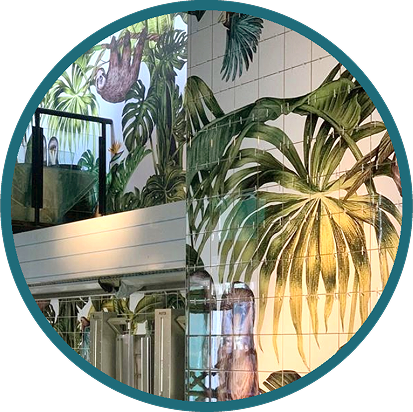
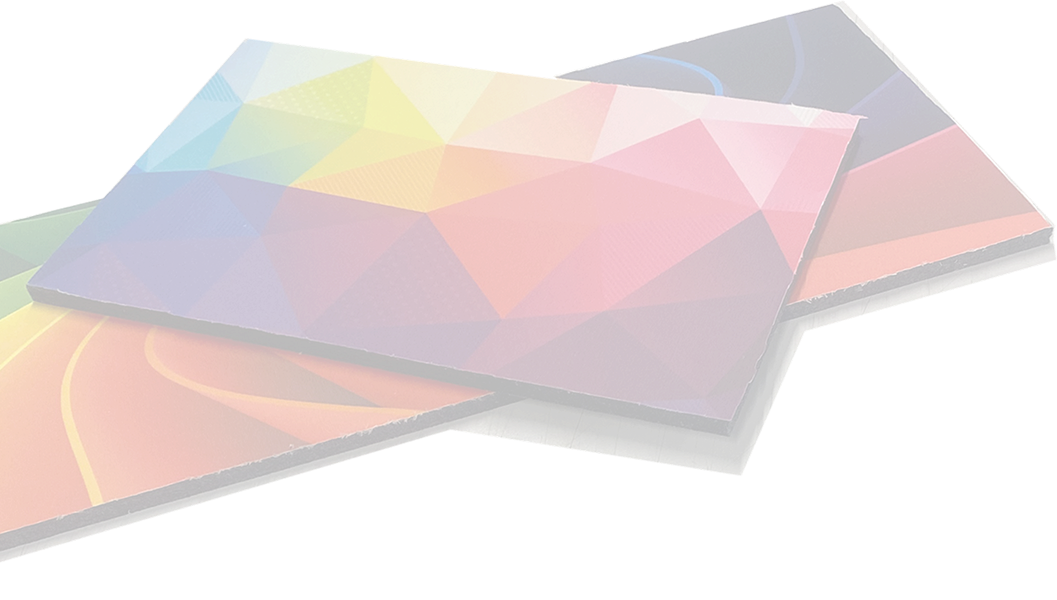
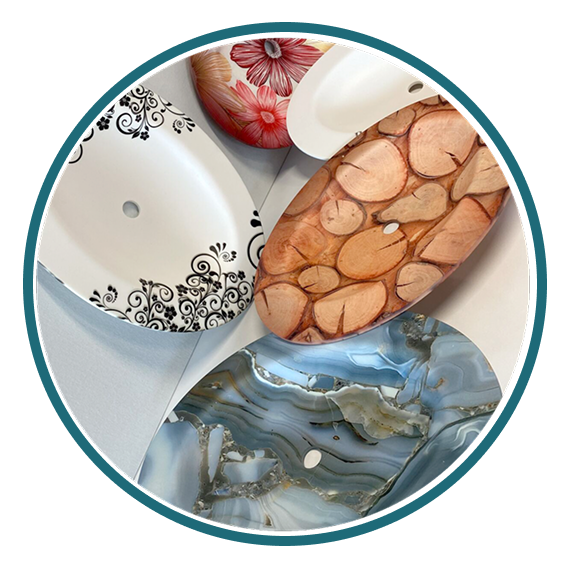
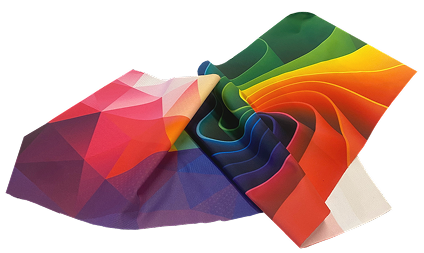
The gas then penetrates the surface of materials (like polyester fabrics, coated materials as Aluminum sheets, Ceramics, Glass, Acrylic & Thermoplastics, Wood panels, HPL, Composite materials, Solid Surfaces etc.), creating a permanent, high-quality print that doesn’t peel or fade easily.
SUBLIMATION

Advantages of Sublimation print

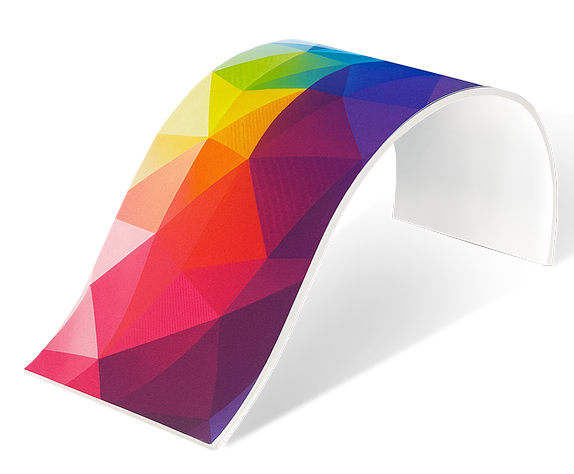
Unlike traditional printing, sublimation doesn’t just sit on the surface. Through heat and pressure, the ink becomes part of the material itself. This means your prints won’t crack, peel, or wash away. Designs can cover the entire item, including edges, curves, and complex shapes, which is difficult with standard printing.

For full packages that include printers, materials, and everything you need to get started with Sublimation business contact our partner P+K Innovations.
https://peekenkooijman.com/

Steps for Sublimation process with a Vacuum Membrane Press

1

1. Preparation of design and material

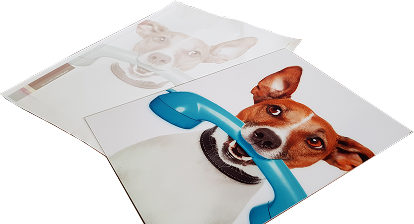
Once the design is created using graphic software, it should be printed onto sublimation transfer paper using a printer with sublimation inks. Usually the design should be mirrored before printing. Then follows the selection of sublimation-compatible material: polyester fabric, polymer-coated metal, ceramics, glass, acrylic, MDF, etc.

2

2. Loading into the Vacuum Membrane Press

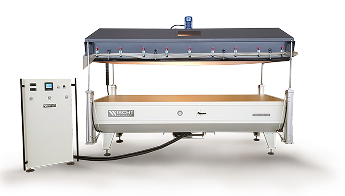
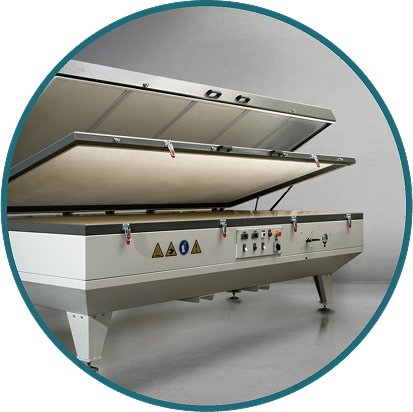
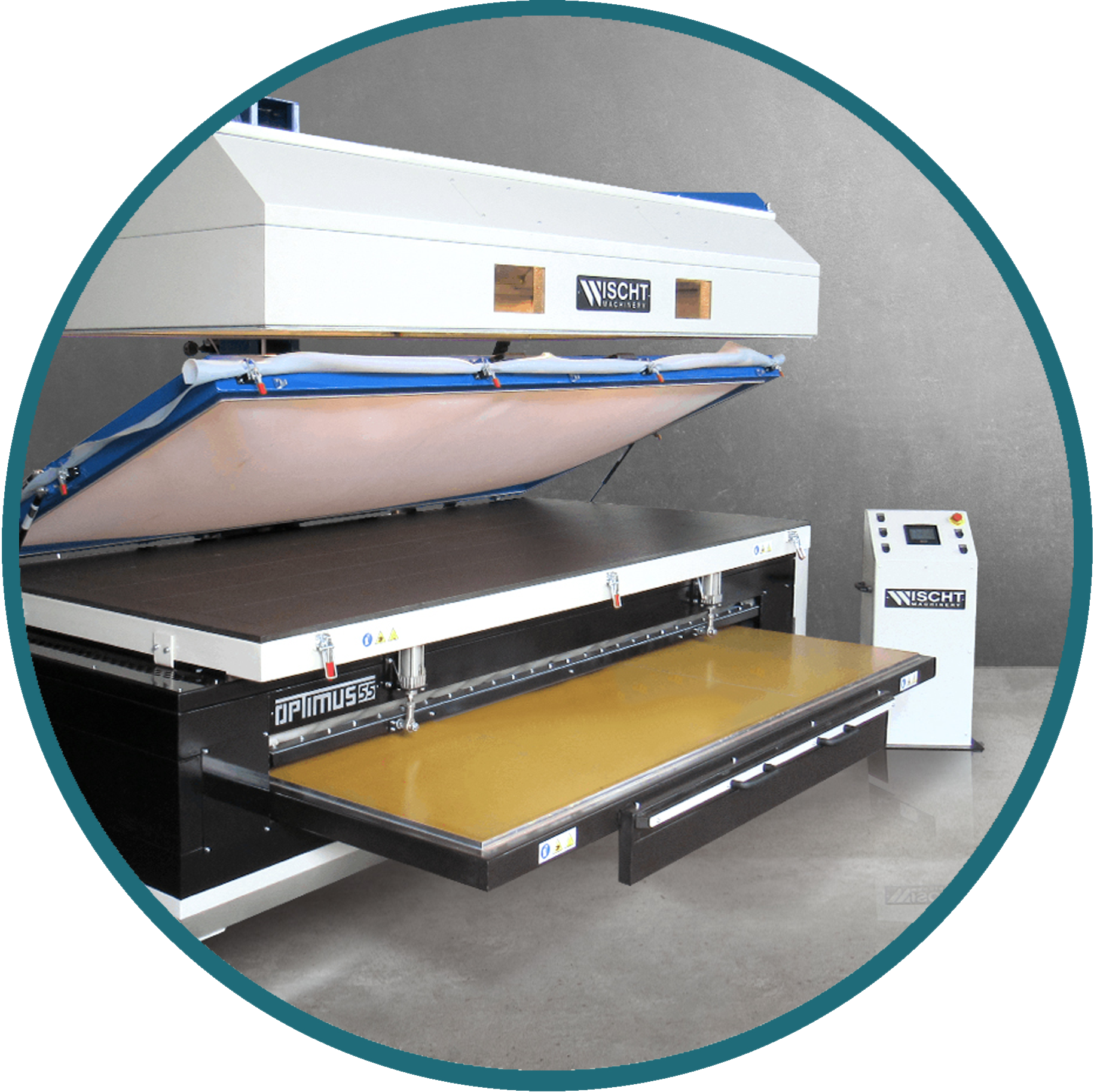
It is necessary to position the printed transfer paper face-down onto the coated surface of the substrate. Using the heat-resistant tape it’s possible to secure the transfer in place, preventing movement during pressing. Once the prepared item is placed on the press working table, it should be covered with the heat-resistant silicone/rubber membrane.

3

3. Setting Parameters of heat, pressure, and vacuum

Depending on the material the temperature (usually has to be between 180–200°C / 355–390°F). The cycle time also depends on the type of material and its thickness (typically 4–15 minutes). After setting the temperature and time it is necessary to activate the vacuum, so the membrane presses the transfer evenly across the surface.

4

4. Cooling & Unloading

When the cycle is finished, remove the item with heat-resistant gloves and allow it to cool gradually to room temperature. When the item is cool enough to handle remove the transfer paper. The finished product should have a durable, scratch-resistant, and fade-resistant print integrated into the material.

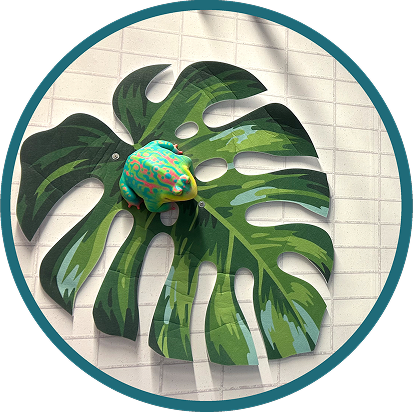
FABRIC Sublimation

CERAMIC TILES Sublimation

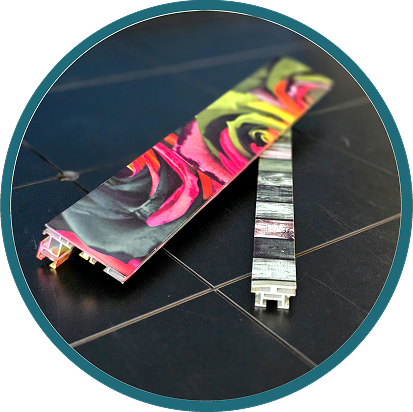
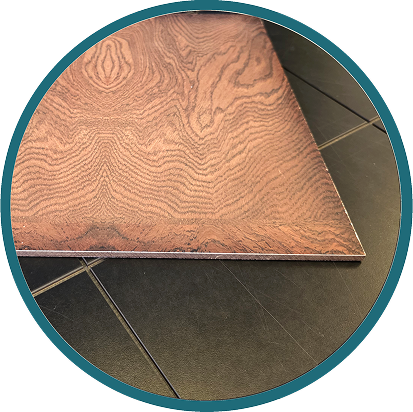
ALUMINIUM SHEET Sublimation

SUBLIMATION + THERMOFORMING

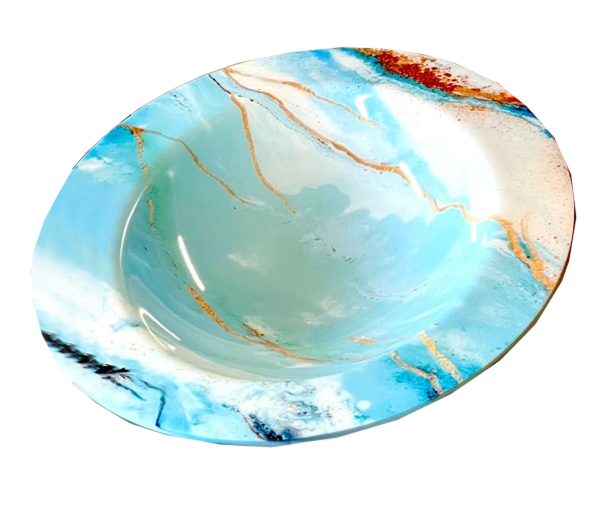
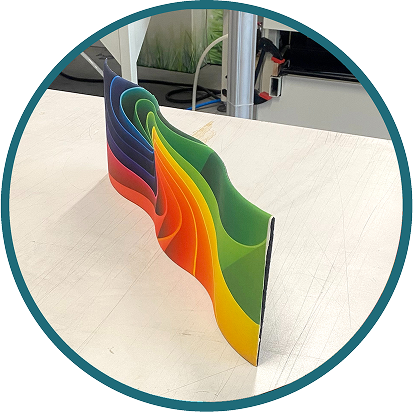
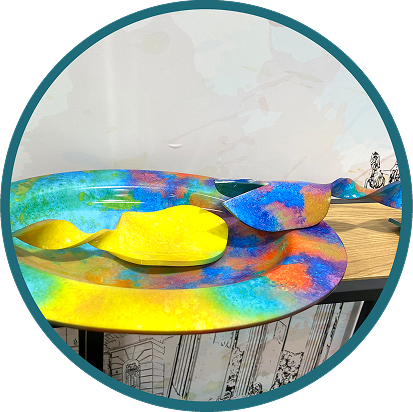
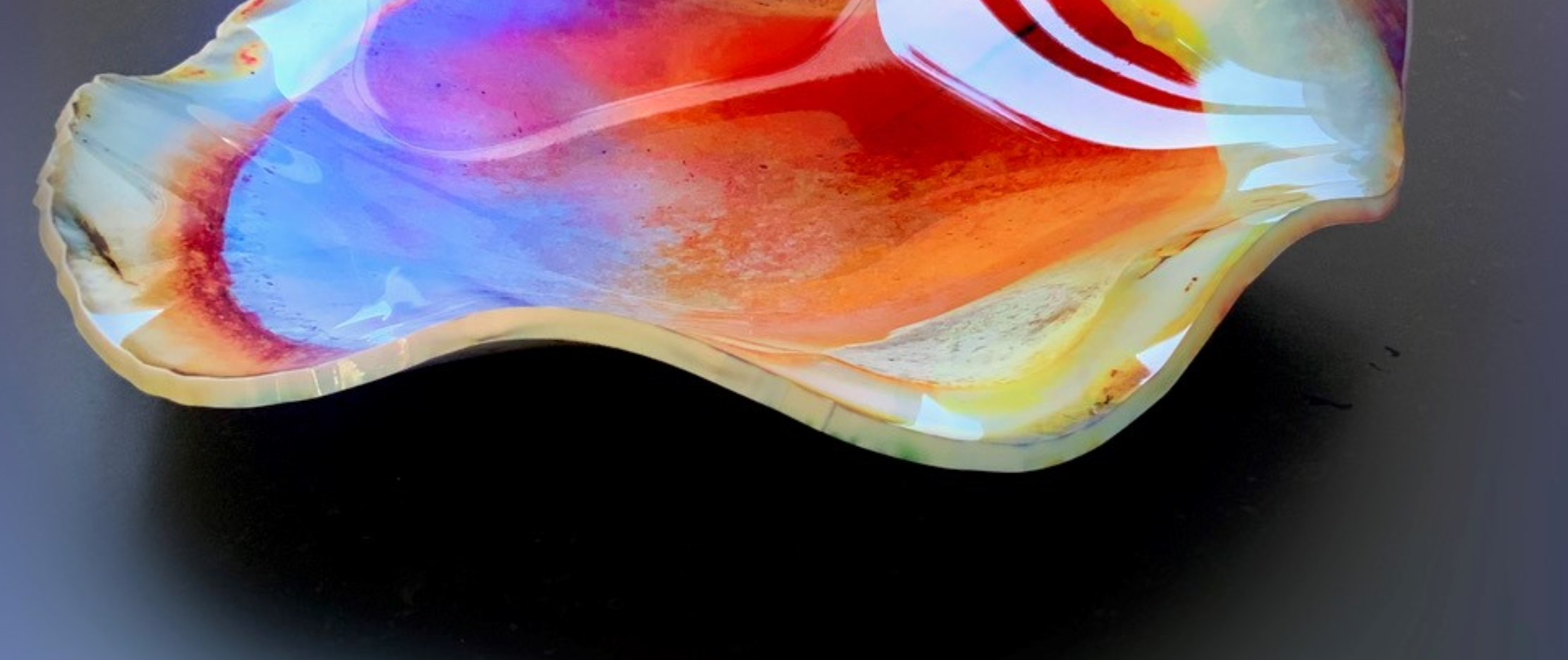
In combination with Cold Vacuum Membrane Press (our model CVPM) right after Sublimation process till the material is still hot and flexible it is possible to make Thermoforming of Thermoplastics and solid surface materials such as (Corian, PlexiGLASS, Mineral etc.) Thermoforming is a manufacturing process where a plastic sheet is heated to a pliable forming temperature, formed to a specific shape in a mold, and trimmed to create a usable product. Since sublimation process requires high temperatures, the material at the end of the process is already sufficiently heated and flexible for shaping. Therefore, once removed from the heated vacuum press, it is immediately placed into a cold vacuum membrane press with a mold, where it is cooled under vacuum pressure. After cooling, the material retains the shape of the mold, while the sublimated print remains undamaged during the thermoforming process.

SOLID SURFACE i AKRIL:
Sublimacija + Termoformiranje

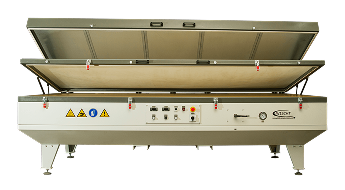
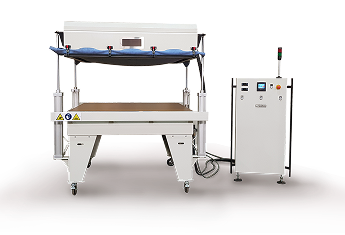
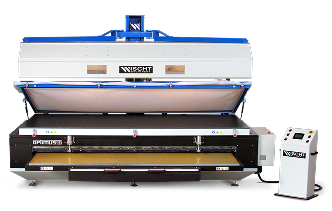
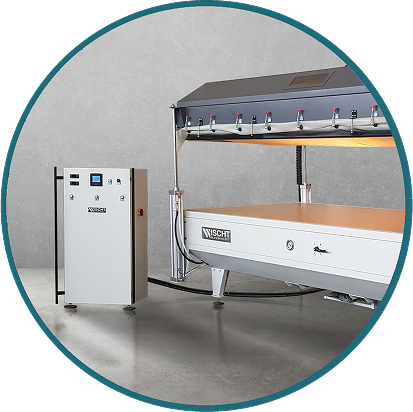
Recommended machines and models for Sublimation