
YouTube Facebook Instagram LinkedIn

WOODWORKING INDUSTRY

Woodworking Industry

When we talk about the Woodworking Industry, we primarily refer to processes in which different wooden products and woodbased materials are manufactured.

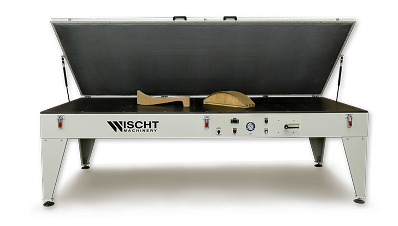
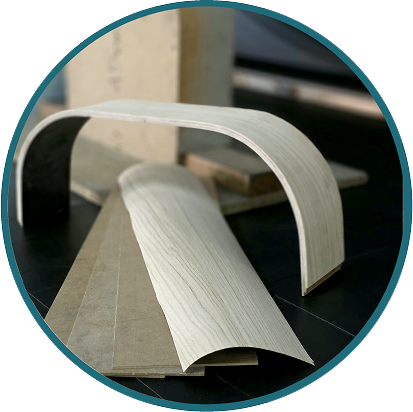
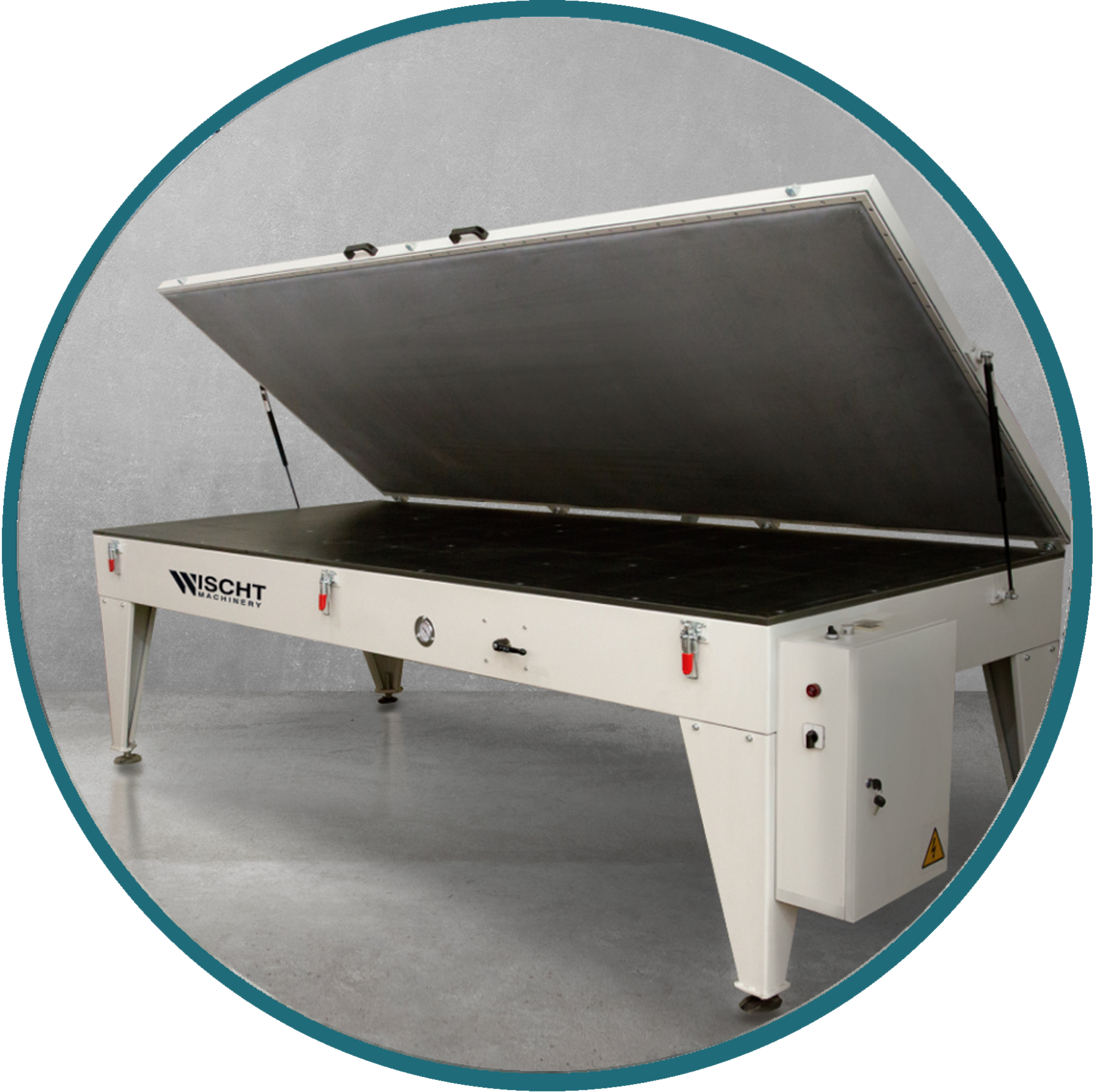
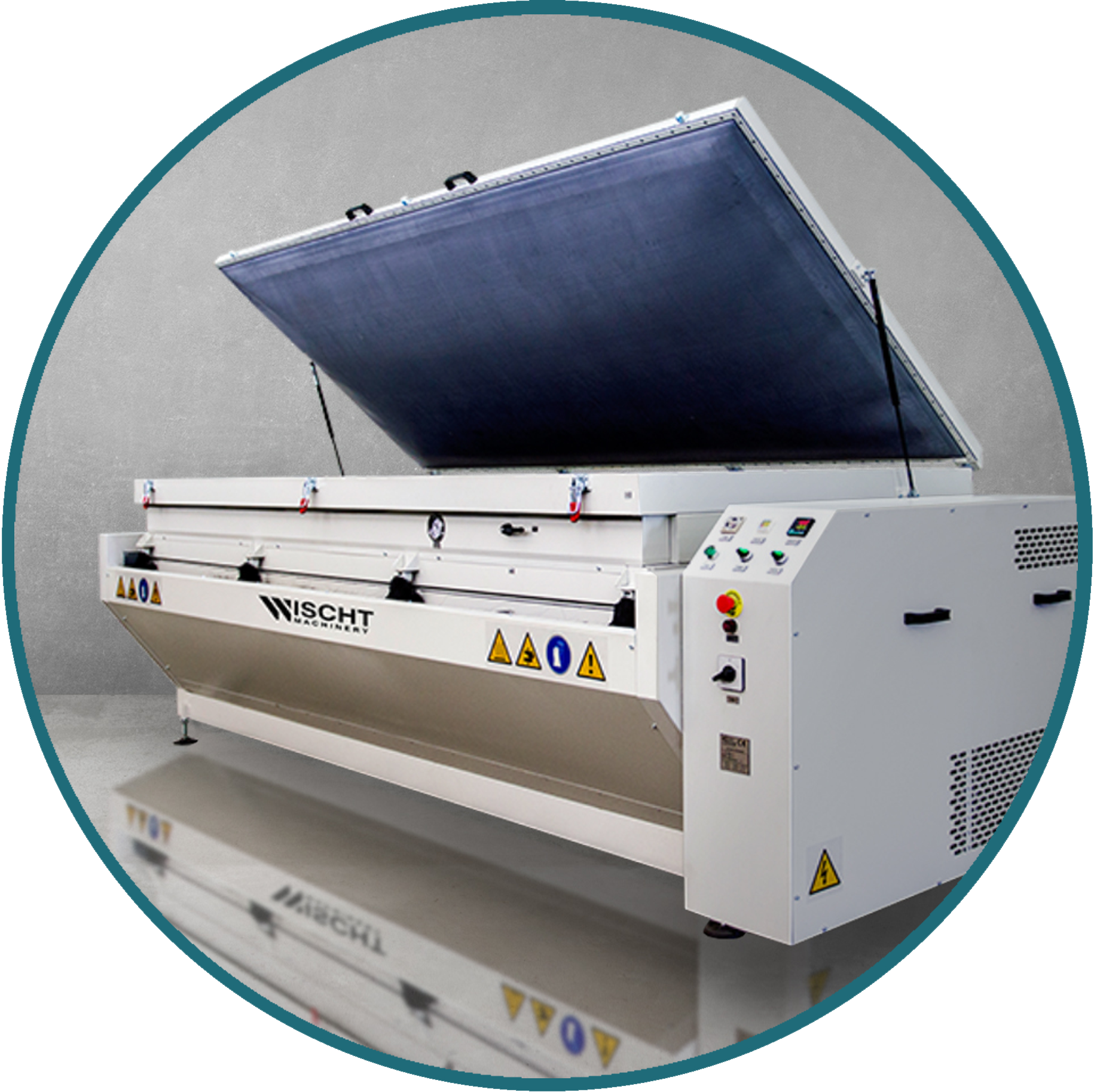
In the case of vacuum membrane presses, this mainly includes MDF panel bonding, laminating, veneering and profile veneering, bending of glued wooden layers, as well as many other applications.
WOODWORKING

Advantages of vacuum membrane presses in Woodworking Industry

Thanks to the membrane, it is possible to press curved, 3D, and irregular surfaces that hydraulic presses can hardly or cannot process at all. The membrane adapts evenly to the surface, preventing damage, cracks, or uneven pressure. Vacuum membrane presses are perfect for modern woodworking, furniture, and decorative surfaces, especially where complex shapes and diverse materials are required.

Various Applications of Vacuum Presses in Woodworking Industry.

Steps for Veneering process with a Vacuum Membrane Press

1

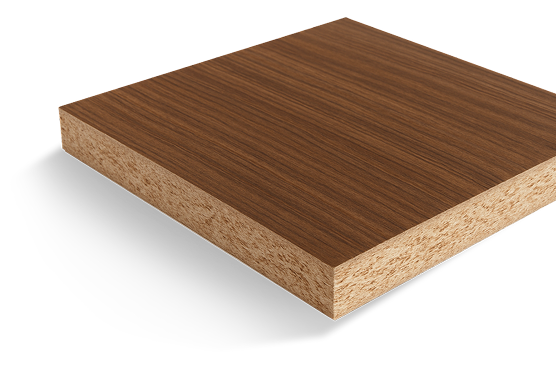
Flat Pressing of MDF and Chipboard Panels

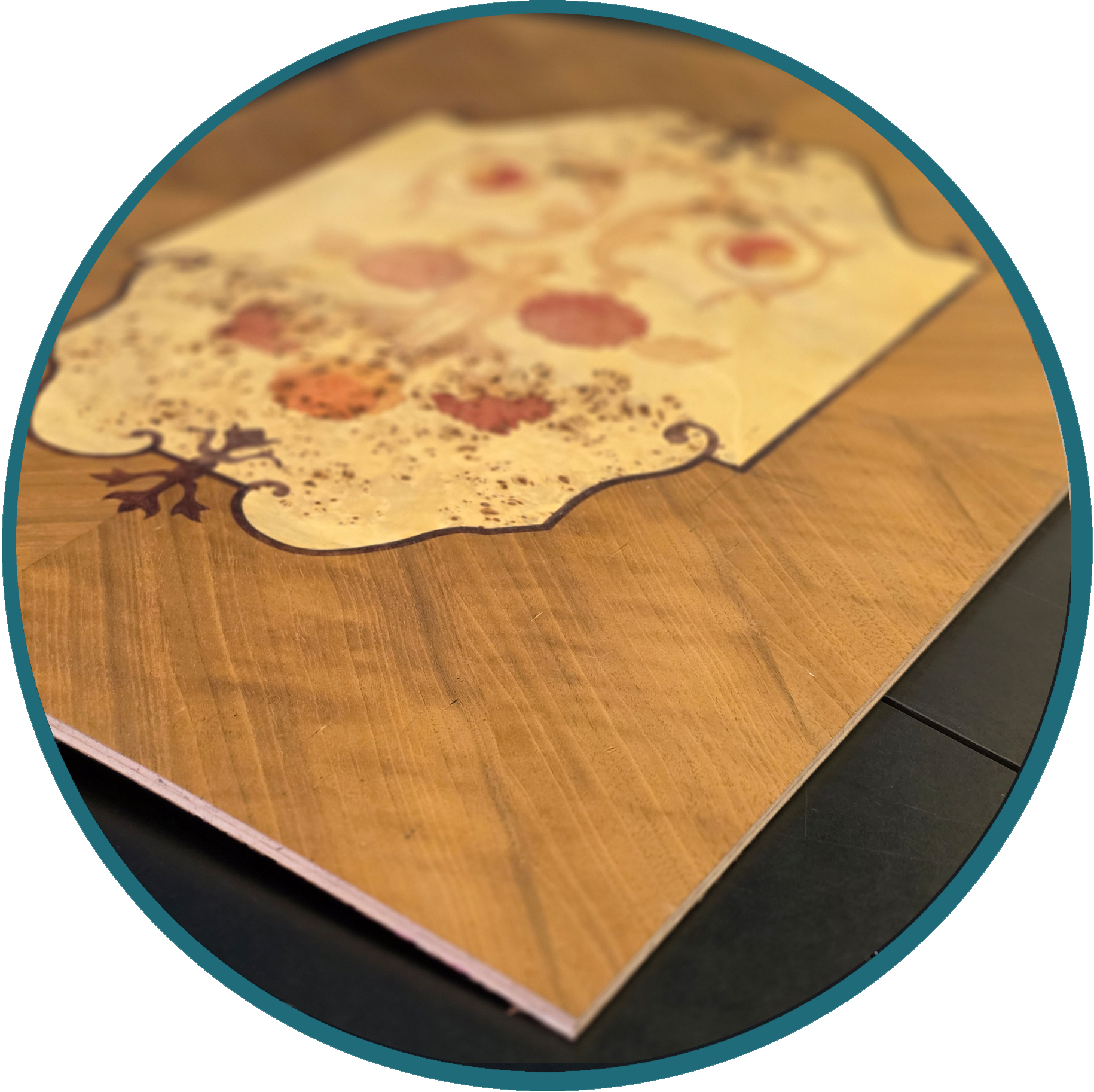
Vacuum membrane presses are used for pressing decorative foils or veneers onto flat surfaces such as MDF, HDF, or particle boards.
This process ensures uniform adhesion without air bubbles or surface defects, resulting in smooth, durable, and visually appealing surfaces for furniture and interior elements.

2

Laminating HPL Decors, PVC Foils, and Veneers

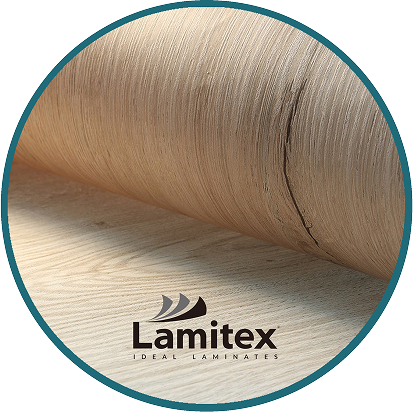
The presses enable precise lamination of high-pressure laminates (HPL), PVC foils, and natural wood veneers onto board materials. The vacuum ensures strong and consistent bonding across the entire surface, even on large panels, enhancing durability and resistance to mechanical stress, moisture, and heat.

3

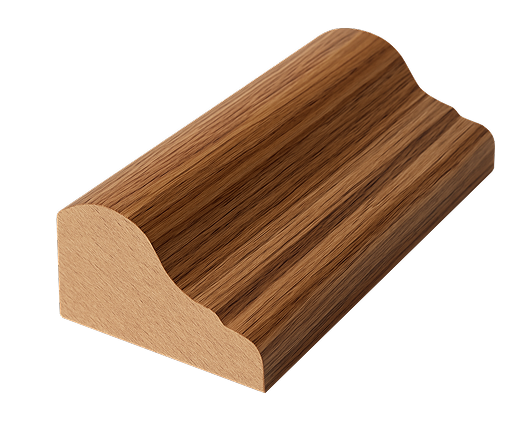
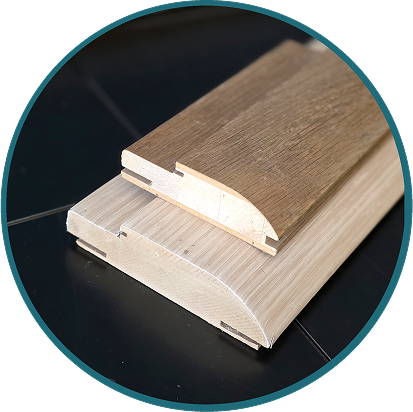
Profile Veneering of Complex Shapes and Curved Surfaces

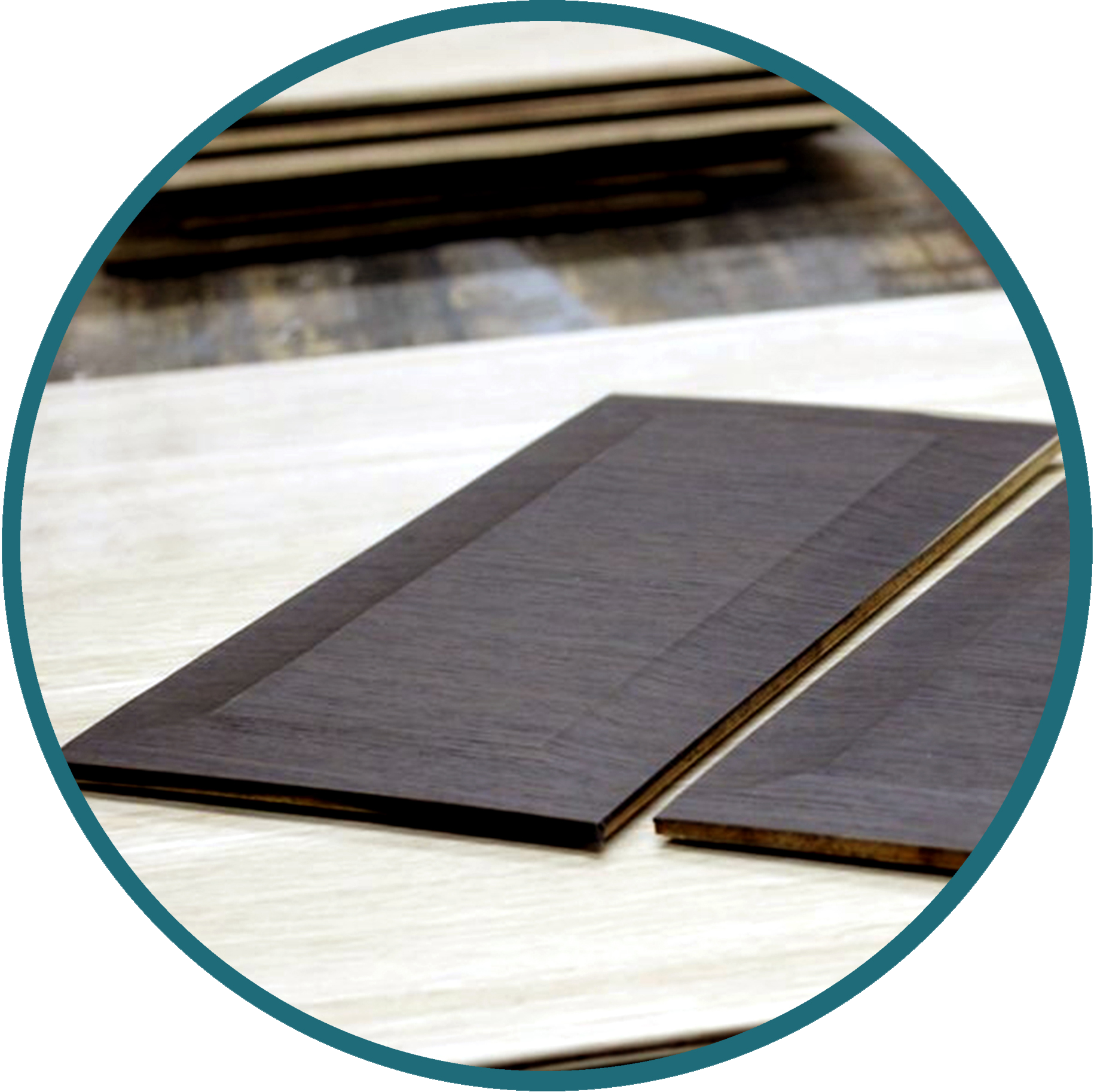
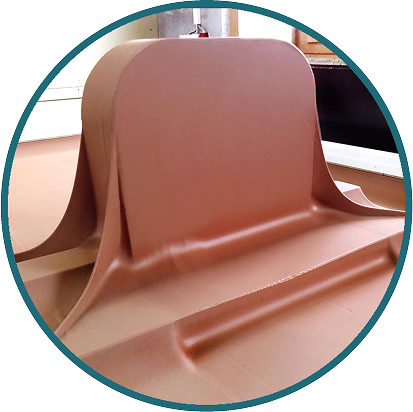
One of the most significant advantages of vacuum membrane presses is the ability to veneer or laminate 3D surfaces, profiles, and curved components. This includes furniture doors, panels with routed designs, and elements with irregular geometries.

4

Bonding of Solid Wood and Multilayered Elements

The presses are used to glue solid wood layers or engineered wood products, creating strong, stable, and dimensionally precise components. This method is widely applied in the production of furniture parts, decorative panels, and structural elements.

5

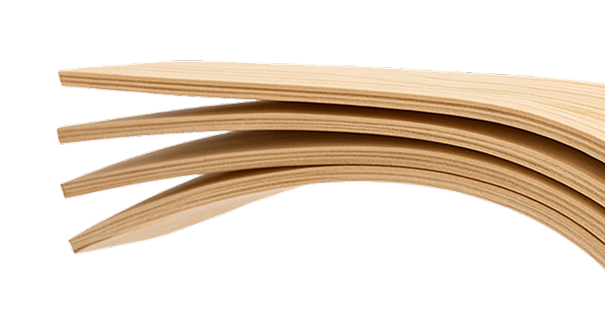
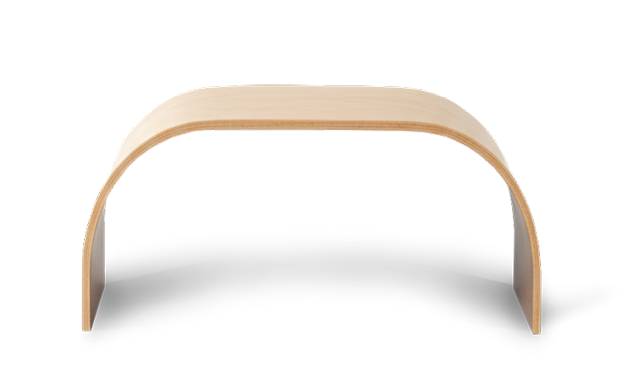
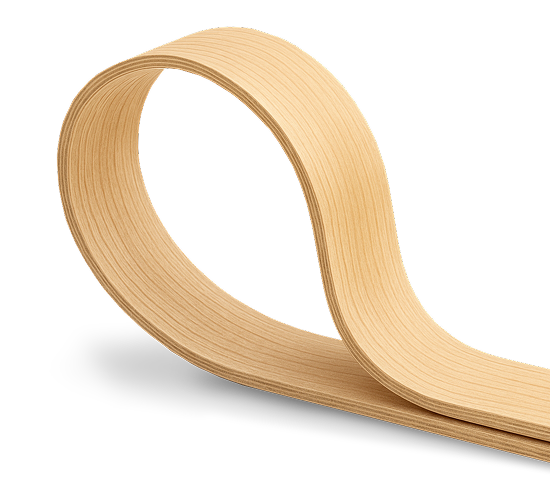
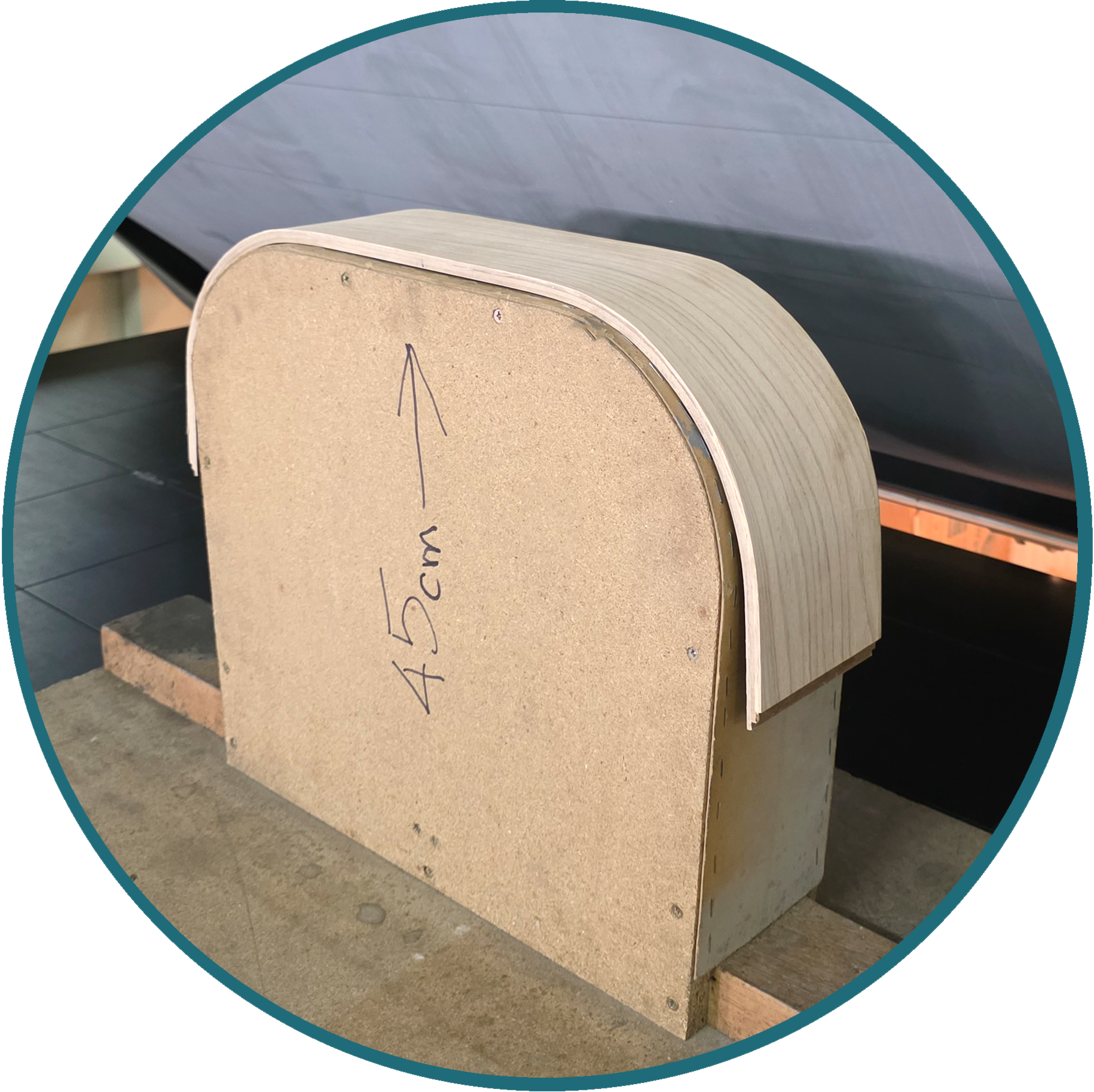
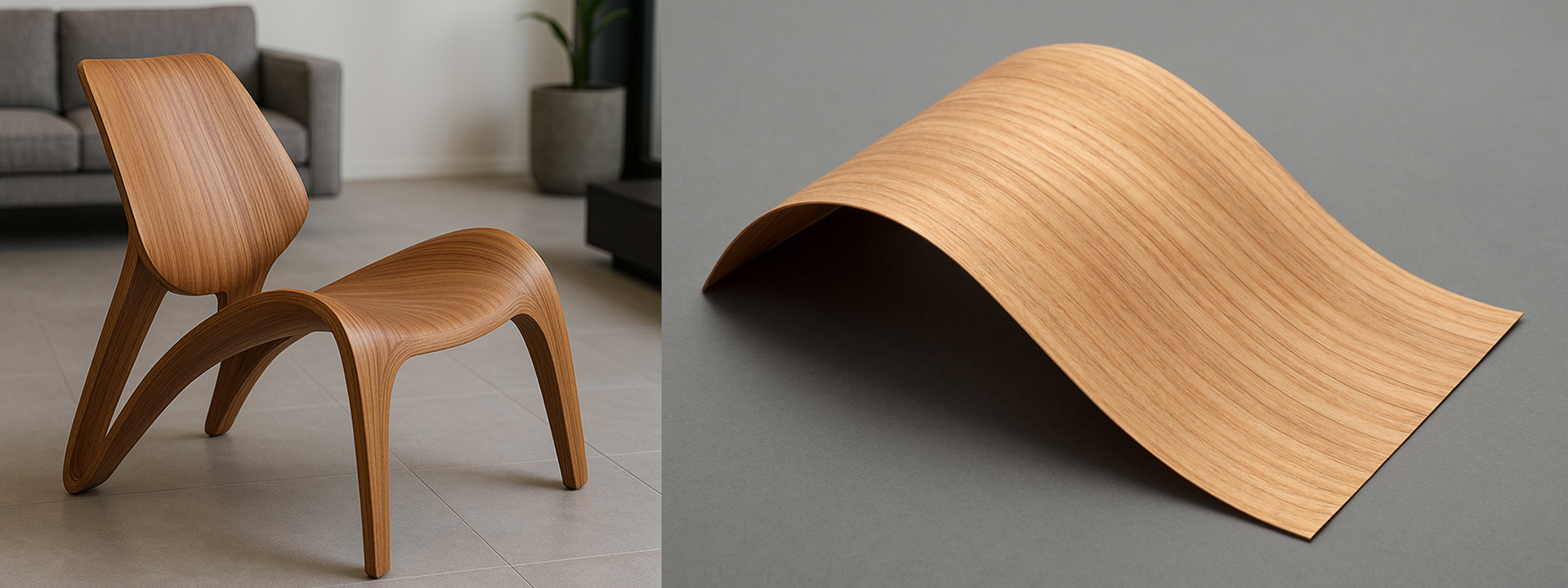
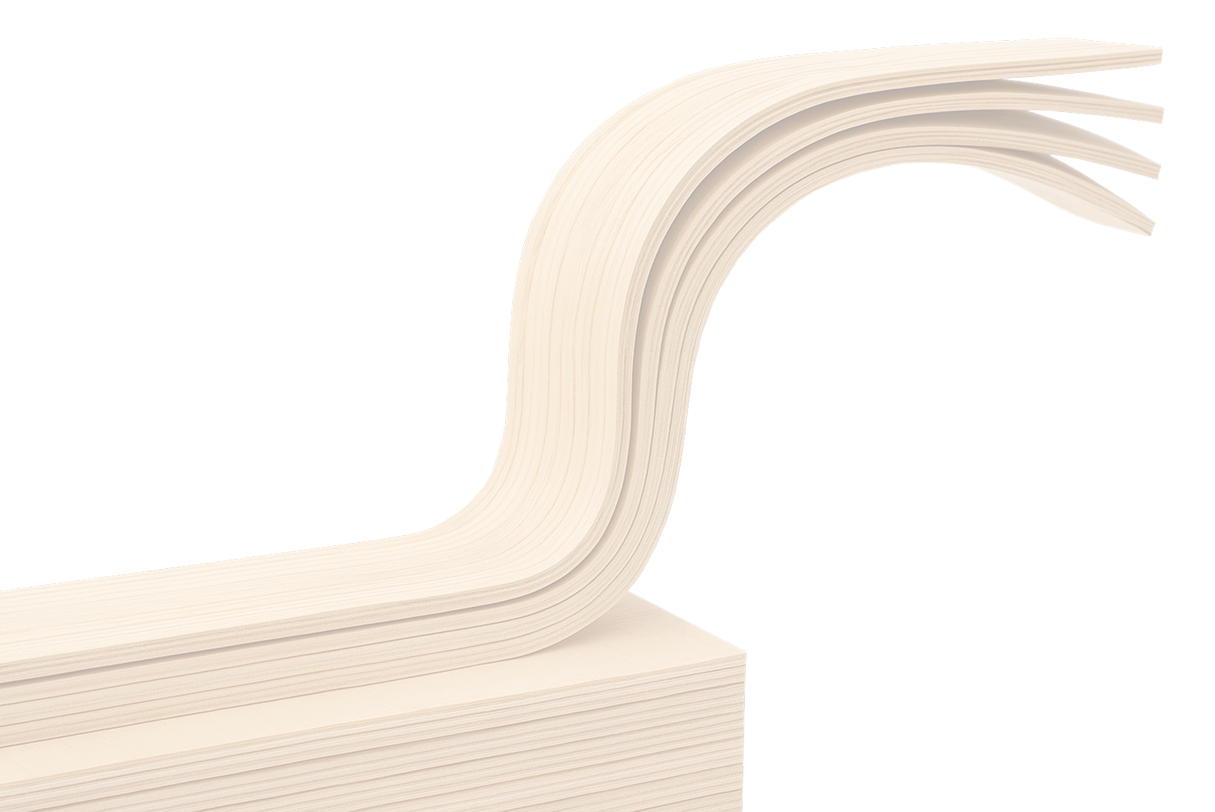
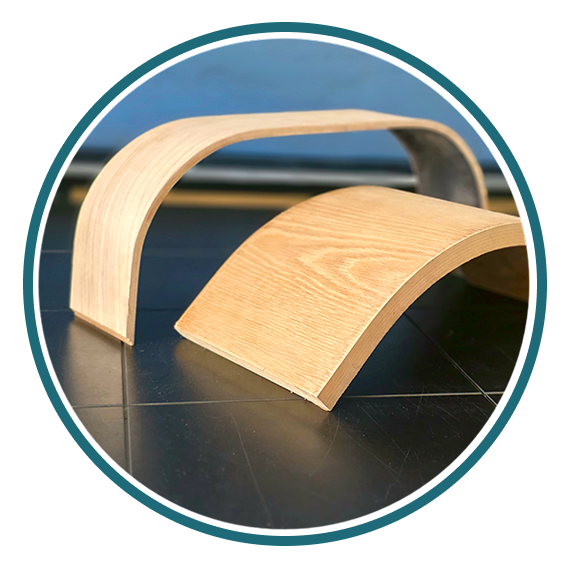
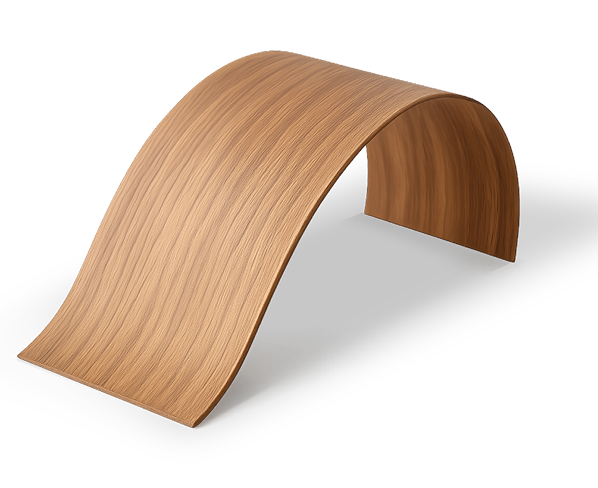
Forming and Bending of Glued Wooden Layers

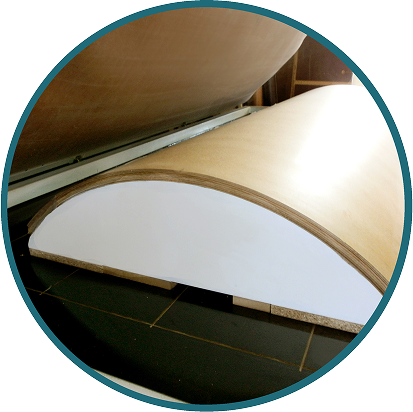
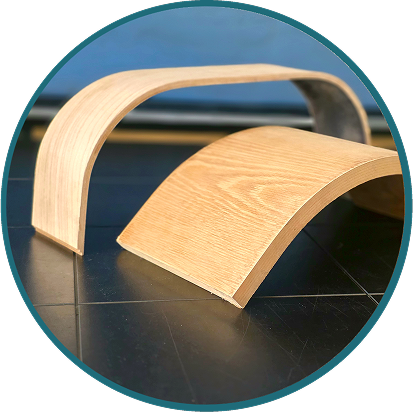
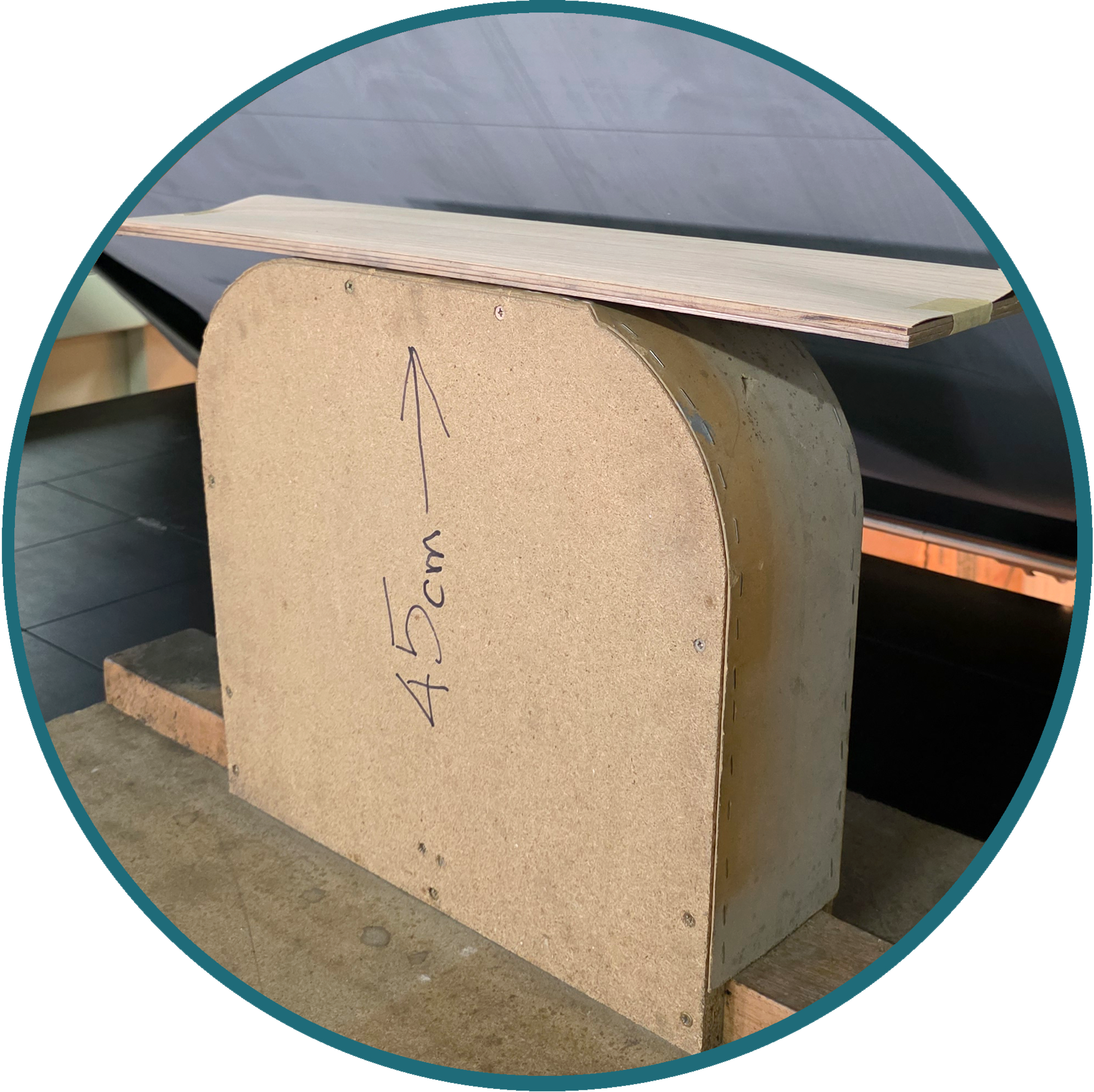
Vacuum membrane technology allows the shaping and bending of laminated wood layers into complex forms. This application is particularly useful for producing curved furniture parts, ergonomic designs, and modern architectural components.

6

Surface Finishing with Decorative and Functional Foils

Decorative foils, protective films, and functional coatings (such as scratch-resistant or antibacterial foils) can be applied evenly. This not only improves the aesthetic appeal but also enhances the durability and functionality of the final product.

Recommended machines and models for Woodworking